Narphu Valley: Remote Beauty of the Annapurna Region
By Trip Pokhara 2025-08-27

Narphu Valley trek offers refreshingly raw and untouched natural scenery. It is located in the remote northern region of Manang. This hidden valley combines the dramatic Himalayan scenery and preserved Tibetan culture. This trek was opened to foreign trekkers only in 2002. It is one of the least explored destinations of Nepal. This trail brings you to stone villages, sacred Buddhist monasteries, deep canyons, and high mountain passes, which makes it a dream for trekkers seeking authentic adventure.
Narphu Valley lies in a restricted area of Nepal, which means access is limited and regulated. This practice has helped protect its spiritual charm and beautiful landscape. You will walk through wind-eroded cliffs, cross icy rivers, and sleep in ancient villages that have barely changed in centuries. Every moment here feels sacred for those searching for quiet, culture, and raw Himalayan beauty. Nar Phu Valley trekking is unlike any other experience in Nepal.
Why Choose the Narphu Valley Trek?
Narphu Valley Trek is perfect for trekkers seeking peace and remoteness. Very few people visit this region compared to Nepal’s other popular trails. Rugged and dramatic landscape is the main characteristic of this region which has been shaped by wind and time. The villages of Narphu reflect a pure and unfiltered Tibetan culture.
Narphu Valley Trek offers high passes, alpine wilderness, and deep cultural roots for you to explore and more. The route is rich in contrast, dry canyons, lush meadows, and ancient shrines. It provides a true sense of adventure and is a very good way for a digital detox.
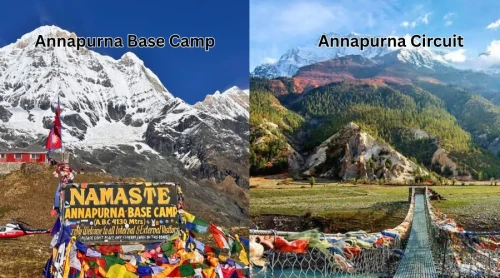
Nar Phu Valley vs Annapurna Circuit?
Annapurna Circuit Trek is more accessible and busy, with better facilities, whereas Narphu is raw, authentic, and far less commercial. This is a trek for those who want something deeper, a journey through silence, history, and the Himalayan spirit.
Nar Phu Valley Trekking Permit Requirements
The valley lies in a restricted area of Nepal, so special permits are needed. You must book through a registered agency with a licensed guide.
Solo trekking is not allowed; you need at least two people in a group. Guides and permits must be arranged before your departure.
Required permits include:
-
Restricted Area Permit (RAP) – USD 100 for 7 days
-
Annapurna Conservation Area Permit (ACAP) – NPR 3,000
-
TIMS Card – NPR 2,000 (if applicable)
The Nar Phu trek permit is checked at multiple checkpoints. Always carry printed copies of your passport during the trek.
How to Trek Nar Phu Valley in Nepal?
The Narphu Valley Trek usually begins from Koto, which is a small village in the Annapurna region. It is accessible by jeep via Besisahar, or directly from Kathmandu with a long drive. From Koto, the trail starts separating from the classic Annapurna Circuit. The journey goes along the narrow Nar Khola river, which winds through pine forests, rocky cliffs, and narrow gorges. As altitude rises, you’ll see remote settlements like Meta, Chyakhu, and Kyang. Eventually, you reach Phu village, a beautiful group of stone houses surrounded by barren cliffs. From Phu, the trail starts turning toward Nar village, crossing hidden valleys. The final challenge is the high Kang La Pass (5,320m), which offers breathtaking views of Annapurna II.
Since this is a remote and less-developed trail, the signal can be limited. It’s highly recommended to carry a Nar Phu trek map or use an offline GPS app for navigation.

Suggested Itinerary (10–12 Days)
A typical Nar Phu trek itinerary includes:
Day 1: Drive to Koto (2600m)
Day 2: Trek to Meta (3560m)
Day 3: Meta to Kyang or Phu (4050m)
Day 4: Rest and explore Phu village
Day 5: Trek to Nar Phedi
Day 6: Trek to Nar village (4150m)
Day 7: Rest/acclimatization day in Nar
Day 8: Cross Kang La Pass to Ngawal
Day 9: Trek to Manang or Pisang
Day 10: Drive or trek out
You can also do a Nar Phu Valley short trek by returning directly from Nar. Customize your days depending on your pace and acclimatization needs.
Highlights of the Nar Phu Valley Trek
The Narphu Valley trek provides beautiful and rare experiences to the trekkers. It offers a powerful combination of nature, culture, and peace, which makes it one of the best trails in Nepal. The following are some of the highlights of the Narphu Valley Trek:
-
You can discover ancient Buddhist monasteries like Tashi Lhakhang, which is located on rocky cliffs. These sacred sites are rich in spiritual energy.
-
You can stay in traditional stone homes in Nar and Phu villages, where Tibetan-influenced culture remains strong and untouched.
-
Crossing the dramatic Kang La Pass (5,320m) for unforgettable views of Annapurna II and the surrounding snow-capped Himalayan giants is one of the major highlights of this trek.
-
Hike through narrow canyons and wind-carved rock formations, which makes you experience a surreal landscape shaped by centuries of erosion and isolation.
-
You can spot blue sheep, herds of yaks, and, with luck, even a rare snow leopard. Wildlife thrives here due to the region's low human impact.
-
Experience genuine peace in one of Nepal’s least-traveled valleys. There’s no road, no crowds, just pure Himalayan wilderness.
This trek is more than just a trail; it’s a deep journey into silence, tradition, and untouched natural beauty.

People in Nar Phu Valley
The Narphu Valley is the home of the Khampa people, an ethnic group of Tibetan origin. Khampas have preserved their way of life for generations, which has been shaped by isolation and harsh terrain in the region. The people here live by simple means, yak herding, and barley farming. They have a high respect for nature and the seasons. They wear a unique Tibetan dress suitable for high altitudes, which is thick and woolen. Their appearance, customs, and prayer reflect a deep spiritual connection.
Though they don't talk much, they are known for their hospitality and warmth. As a traditional gesture of kindness, you will be welcomed with a cup of butter tea. Life in the valley is tiring and remote, but the people here remain resilient, humble, and proud of their culture. Meeting them is one of the most inspiring aspects of the Narphu Valley trek.
History and Culture
Narphu Valley lies along the ancient salt trading routes that once connected Nepal and Tibet. Though the trading has faded for a long time, the cultural influence of Tibet remains strong. Because of its remote location, the region has remained largely untouched by modern development. Villages here still follow centuries-old customs and traditional ways of life. Across the cliffs, you can find Buddhist monasteries, or gompas, with Tashi Lhakhang standing out as spiritual heart of the valley.
Along the trails, you’ll pass chortens, which are stacked on mani walls, and colorful prayer flags flapping in the wind, which is a symbol of peace and devotion. Local festivals are vibrant and deeply spiritual events. These festivals are authentic celebrations of faith and identity.
Difficulty Level and Acclimatization
The Nar Phu Valley trek, due to its high altitude, difficult terrain, and remoteness, is considered moderately difficult. While the trek doesn’t involve technical climbing, you’ll spend most of the journey above 3,500 meters, with the Kang La Pass reaching 5,320 meters. Such a huge elevation demands careful acclimatization. Rushing can lead to altitude sickness, so it's important to ascend slowly.
Trekking here requires a good level of fitness and mental resilience. You can expect narrow trails, river crossings, and long walking days. Facilities in the region are basic, with limited access to supplies or medical care. This makes preparation crucial.
Adding rest or acclimatization days in Phu or Nar village is highly recommended. Moving at a steady pace, eating well, and staying hydrated will greatly improve your comfort and safety.
Best Time to Trek the Nar Phu Valley
The Best time to trek Nar Phu Valley is in two main seasons:
Spring (March to May)
-
Clear skies, blooming wildflowers
-
Mild temperatures at high altitude
Autumn (September to November)
-
Stable weather, dry trails, stunning views
-
Harvest season and major festivals
You should avoid the monsoon (June to August) when trails are slippery, and landslides are common.
Winter (December to February) is extremely cold and risky. Snow often blocks Kang La Pass, and many teahouses close.
Nar Phu Valley: best time to visit? October is ideal.
What to Pack for the Nar Phu Trek?
Since Nar Phu Valley accommodation is basic, pack smart. Bring warm layers, even in spring and fall, and always be well prepared on your end. It will help you avoid unforeseen circumstances and have a good trip.
Here’s a checklist on what you should pack for the Nar Phu Trek:
-
Down jacket, thermal base layers
-
Sleeping bag (-10°C or colder)
-
Waterproof jacket and pants
-
Trekking boots with a good grip
-
Trekking poles, headlamp, extra batteries
-
Sunglasses, sunscreen, lip balm
-
Reusable water bottle and filter
-
Power bank, snacks, first aid kit
-
Offline Nar Phu trek map or app
Responsible Trekking and Cultural Sensitivity
As Narphu Valley is a sacred land that is deeply rooted in Tibetan Buddhist tradition, you should go on the journey there by respecting the local culture and long-standing traditions. Try to dress in a good way, cover your shoulders and legs, especially in villages and religious sites. You should always remove your shoes when entering Buddhist monasteries. Always ask for permission before you photograph the locals; it is a sign of respect because not everyone is comfortable being photographed during rituals or private moments. Avoid entering private homes or prayer rooms unless you are invited by the owner or a local.
You can support the local community by using local teahouses, where they make excellent butter tea. It helps to sustain traditional livelihoods in this region. Do not use plastics, as it is difficult to manage plastic waste in such remote areas. Doing such things helps to preserve the culture, nature, and dignity of this unique region.
Conclusion
The Narphu Valley trek is more than just a mountain adventure. It is a journey into a beautiful world, where nature and spirituality walk side by side. You can experience ancient cultures and the sacred Tibetan Buddhist life. From great canyons and high Himalayan passes to remote monasteries, Nar Phu Valley, Nepal, has it all. Local teahouses serving butter tea, every moment you spend on this beautiful land is truly heartwarming.
Unlike the crowded trails of the Annapurna Circuit, Nar Phu offers authenticity, untouched traditions, and space to reflect. There are fewer trekkers, stunning mountain views, and deep cultural layers; it truly is one of the best-kept secrets in Nepal. So if you're craving something deeper than just a trek, something that challenges, inspires, and transforms, this is the path for you. Secure your Nar Phu trek permit, prepare your gear, and step into the silence and story of the Narphu Valley. You may return with more than just memories; you may return changed.
FAQs
1. Is the Narphu Valley Trek suitable for beginners?
Due to high altitude, remoteness, and having long walking days the Narphu Valley trek is not suitable for beginners.
2. Do I need a special permit for the Narphu Valley Trek?
Yes. Narphu is in a Restricted Area of Nepal, so you’ll need a Restricted Area Permit along with an ACAP (Annapurna Conservation Area Permit) and a TIMS card. Trekkers must be in a group of at least two with a licensed guide.
3. How long does the Narphu Valley trek take?
The Narphu Valley trek takes 10 to 12 days to complete. It depends on your pace and rest point needs.
4. When is the best time to trek Narphu Valley?
The best time to trek Nar Phu Valley is during spring (March–May) and autumn (September–November) when the place has clear skies, stable weather, and excellent mountain views.
5. What kind of accommodation is available on the trail?
Nar Phu Valley accommodation is basic. Simple teahouses with shared rooms and limited facilities are what you will be able to find at max.
6. What makes Narphu Valley different from the Annapurna Circuit?
Narphu Valley vs Annapurna Circuit?
Narphu is more remote, culturally intact, and less commercial. It offers a deeper cultural exploration opportunity, while the Annapurna Circuit has more services and trekkers.
Recent From Blog

2022-04-19

2022-04-20
.jpg)
2022-04-20

2022-04-20

2023-02-03
2023-02-06

2023-02-15

2023-03-07

2023-10-16


2025-07-21


2025-08-14


2025-08-24


2025-08-25


2025-08-27


2025-09-24
.webp)





2025-12-09